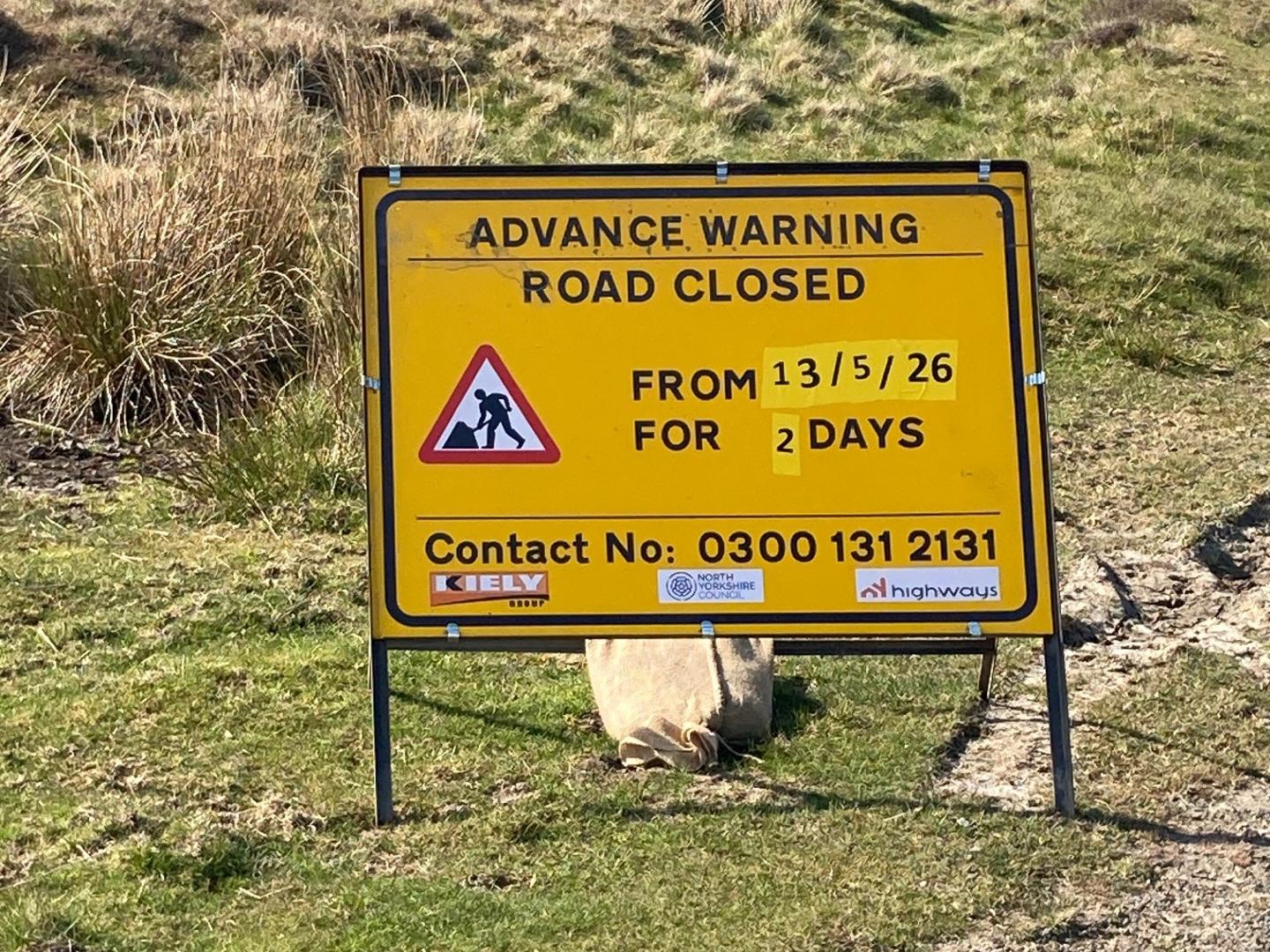
The Knott Road will be closed from the cattle grid to the Ralph’s Cross junction on 13 May for two days:

Welcome to the Rosedale blog. This is where we share news and information about events in Rosedale and the wider community throughout the year. You’ll also find news about the village timetable, our micro enterprises, school events, clubs, and lively socials.
Image: Rosedale Show By Patrick Chambers
The Knott Road will be closed from the cattle grid to the Ralph’s Cross junction on 13 May for two days:
As notified, Gill Lane is due to be closed from from Wednesday 7 May for two days for top dressing work from the Low Bridge junction by the caravan park up to the White Horse junction – weather permitting, it says!

Northern Power Grid have provided cold weather care kits comprising hot water bottles, blankets, torches and spare batteries, which are currently available in Rosedale Church. If you know of anyone in Rosedale and Hartoft in need of help in keeping warm please take one.


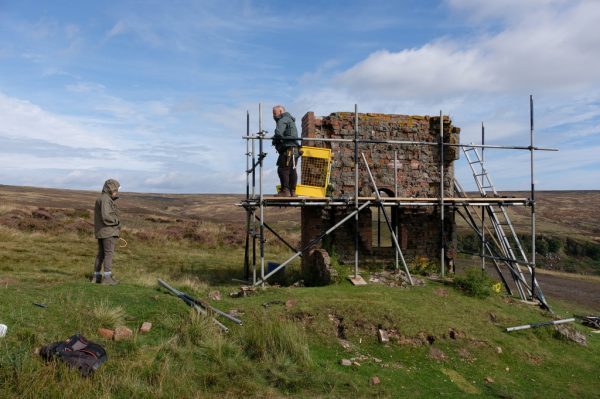
The work on the line and kilns has continued apace since the last update. Work to stabilise and add some weather resistance to the Bank Top kilns is now completed.
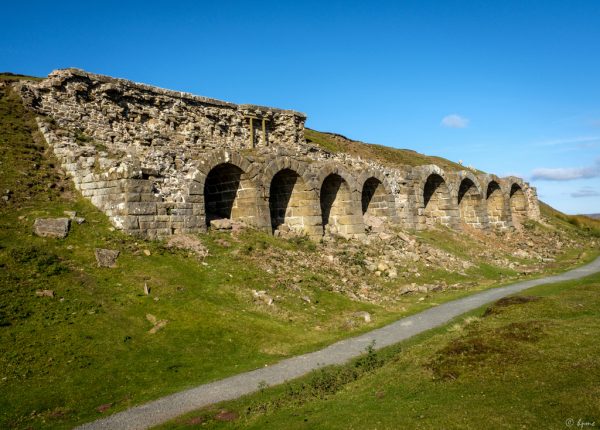
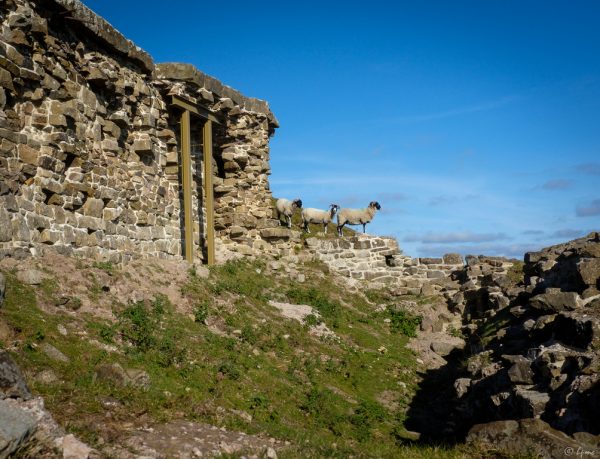
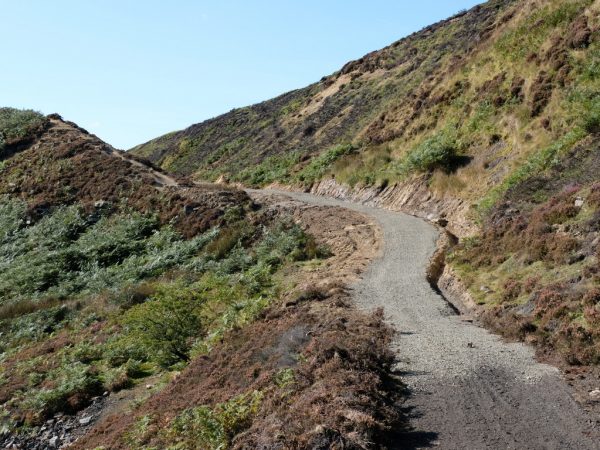
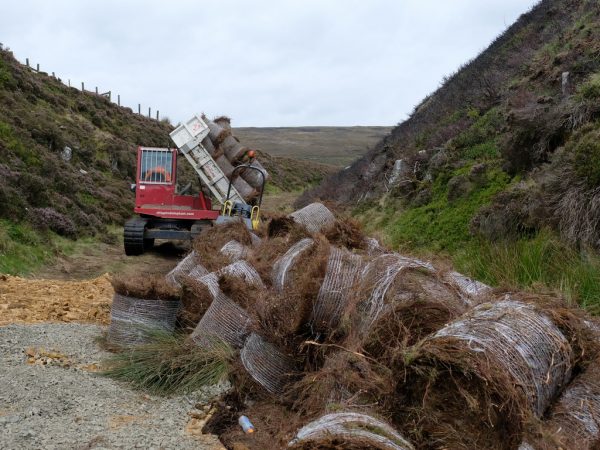
Sean Doughty and his team have also completed the restoration of the line through what was a swamp by Indian Steps by dumping heather bales and re-laying the track on top – an excellent job as you can see:
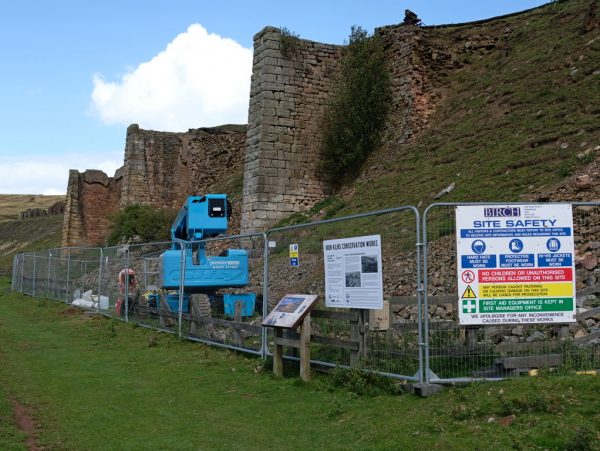
The William Birch contractor team are busy on stabilising the southern buttresses of the Iron Kilns by removing vegetation growing in the stone and brick work and then repointing to weather proof the structures:
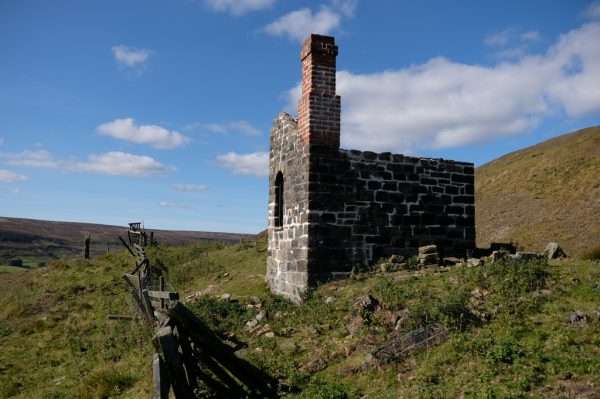
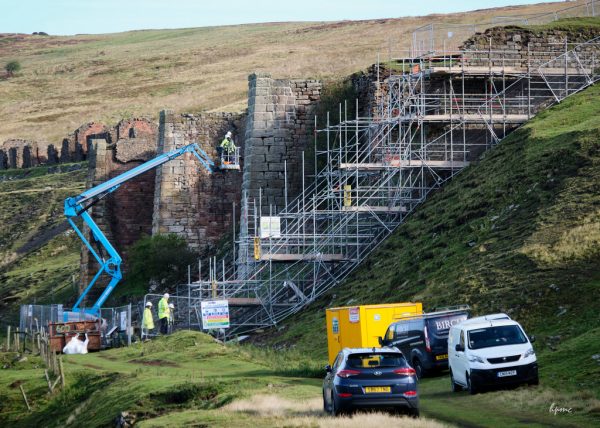
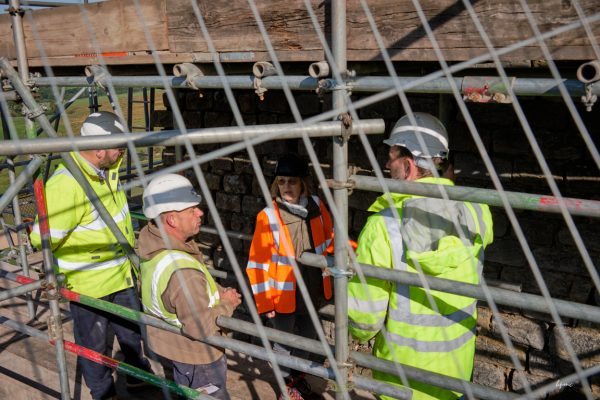
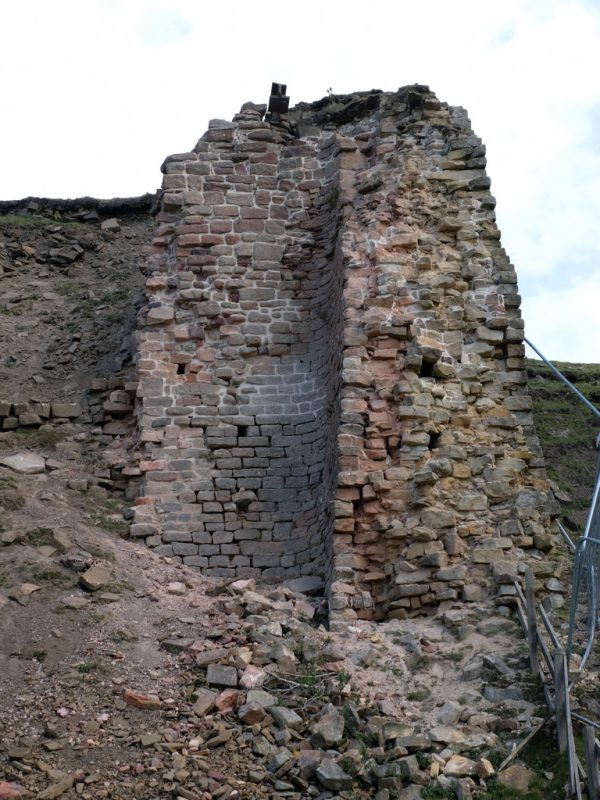
There is now considerable concern over parts of the Stone Kilns where there has been a major stone fall at bay no 10. Engineers and members of the project team have recently inspected the damage and plans are being made for remedial action to be taken soon.
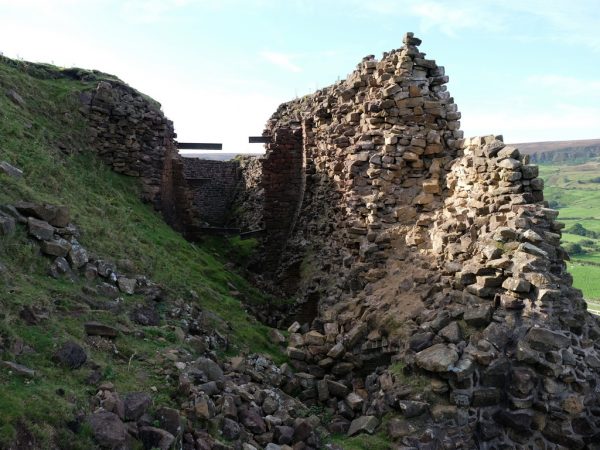
Keep watching this space for further updates!
Work continues to stabilise and conserve the Bank Top ironstone kilns and it should be finished by mid September. Sean Doughty and his team are busy working their way around the line from Blakey to Reeking Gill, restoring culverts and cutting new ones where necessary as well as diverting the path around the worst of the swampy areas.
The line remains closed while all this work goes on – just a reminder!
As reported earlier, work is well under way on the Bank Top kilns. Now work has started on the northerly of the two sets of kilns at East Mines to stabilise and preserve what is possible with these extensive remains.
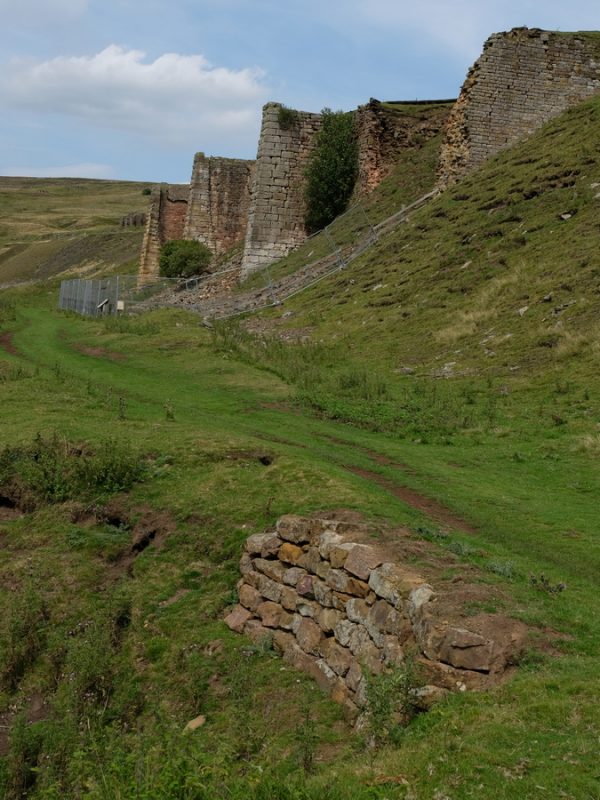
Work to restore the trackway around Dale Head continues and the line remains closed until it is completed.
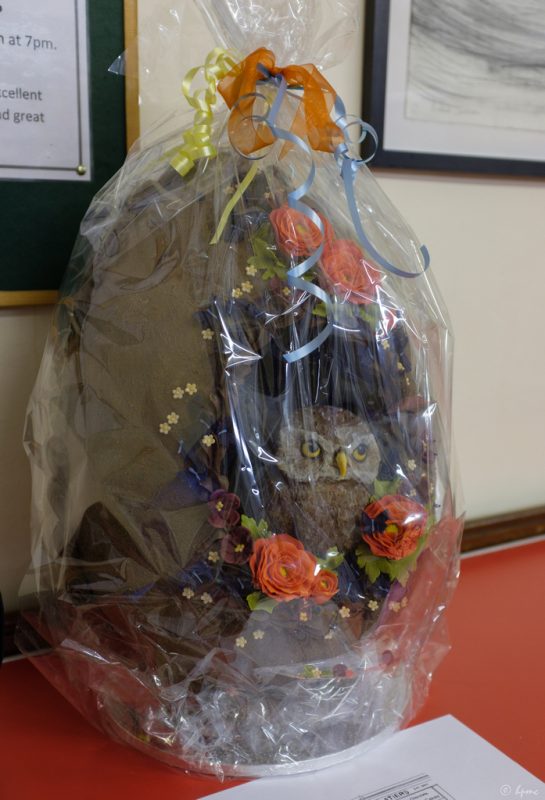
As part of the Land of Iron Project, The National Park is running a series of wildlife events in and around Rosedale. The programme dates, times and locations are shown in an earlier post and there is time to book in to more of these fascinating events which reveal the rich diversity of nature within the dale – and by attending any of them there is the opportunity to win a 4kg/9lb chocolate egg! (see below).
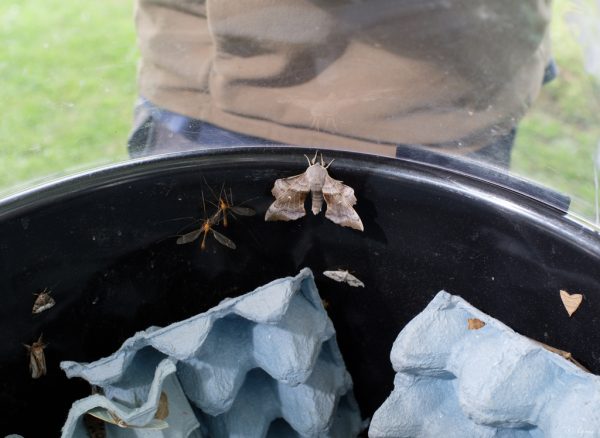
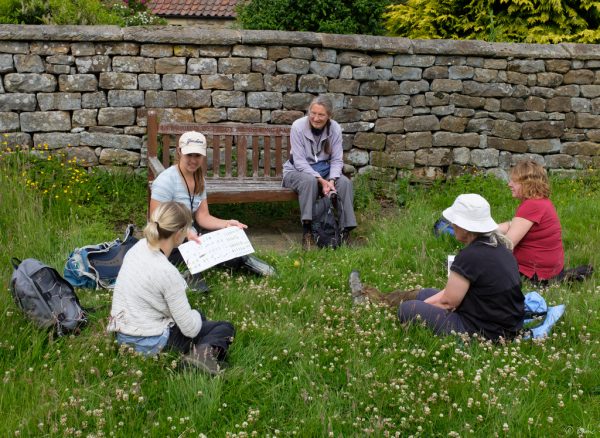
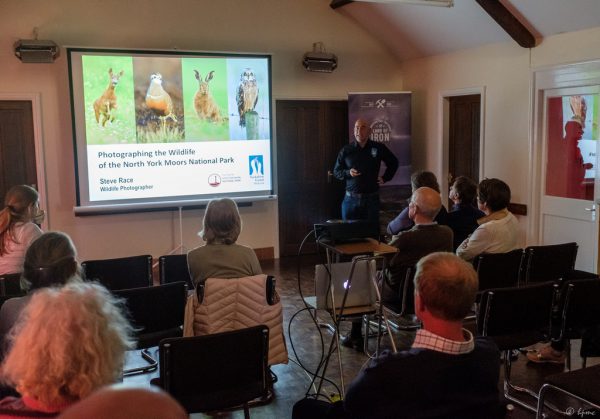
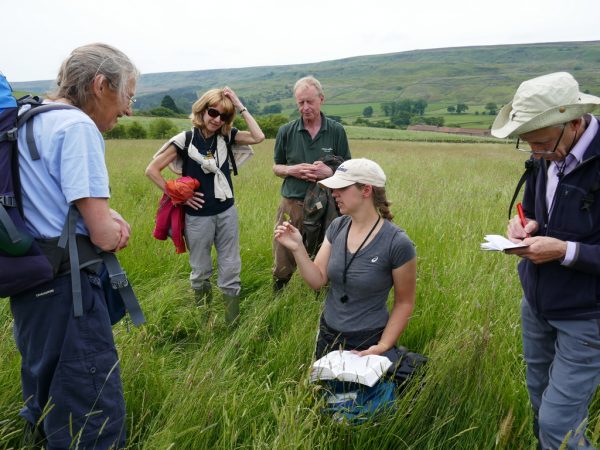
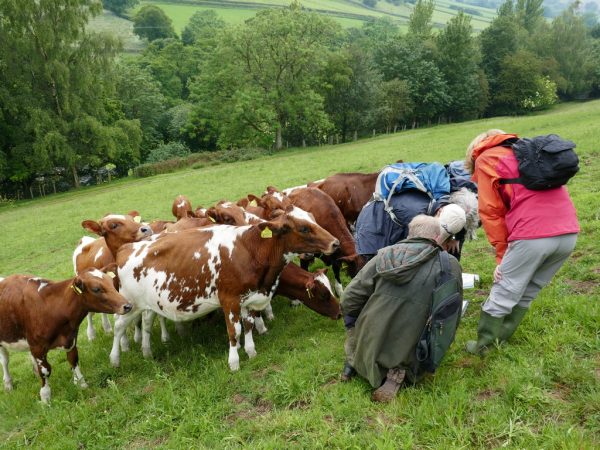


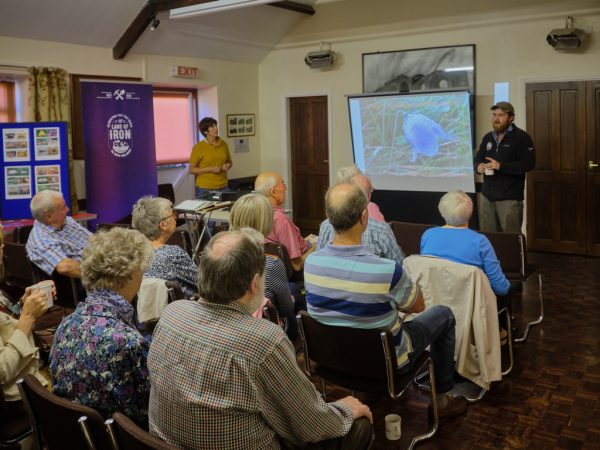

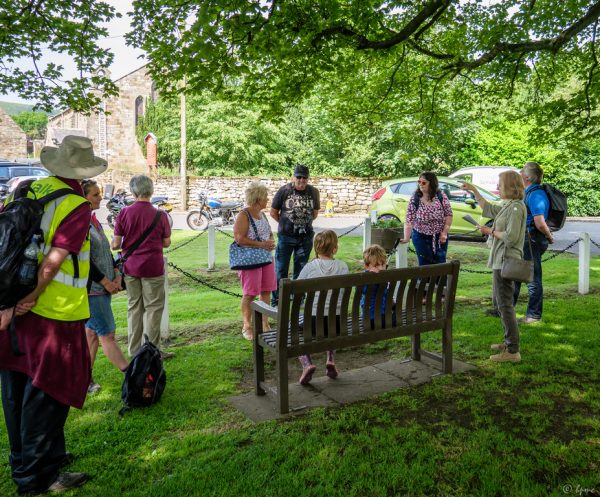
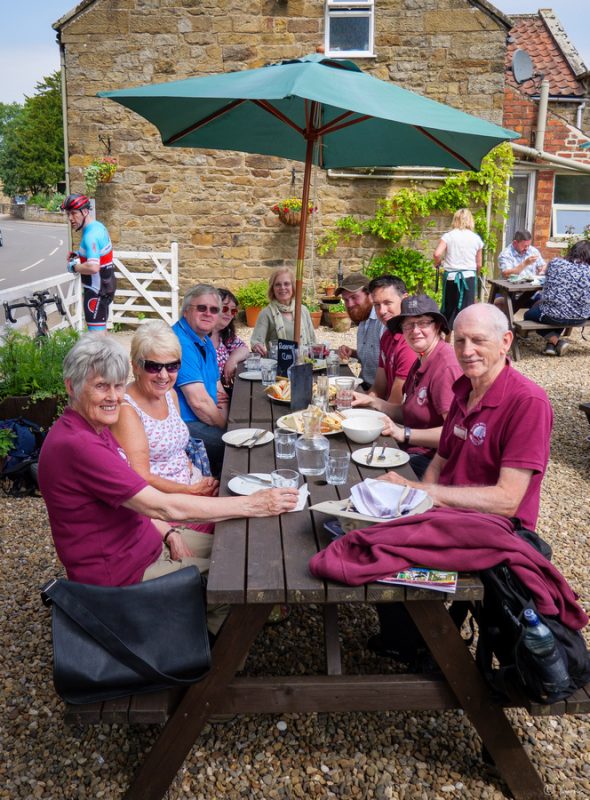
In summary, the week was a great success with most of the varied events being well attended. A huge range of animal and plant species were spotted and studied, of which some of the many highlights were spotting the rare Arctic Starflower in Hartoft, the rarer Tachina Grossa, a fly with attitude, along with bird wing moths as well as hearing (with the aid of bat detectors) and then watching Daubenton’s bats hunting by night along the River Seven at Dunn Car bridge.
Huge thanks to Elspeth ingleby and Sam Newton from the National Park for organising a truly fascinating, entertaining and instructive week – more please next year!
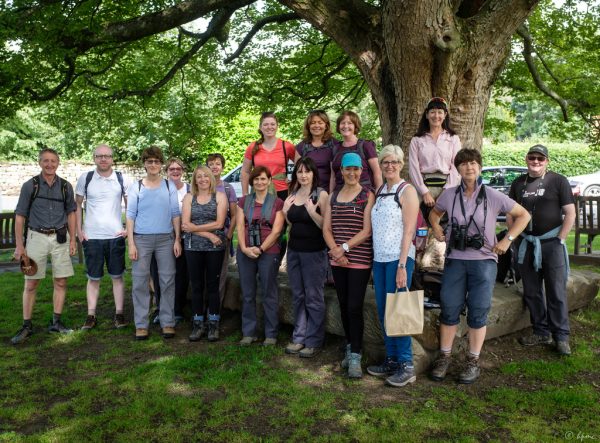
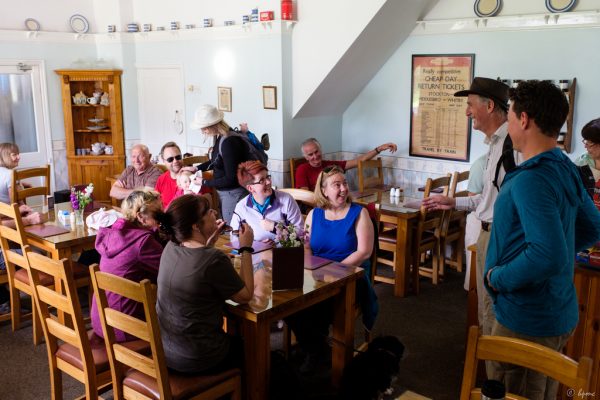
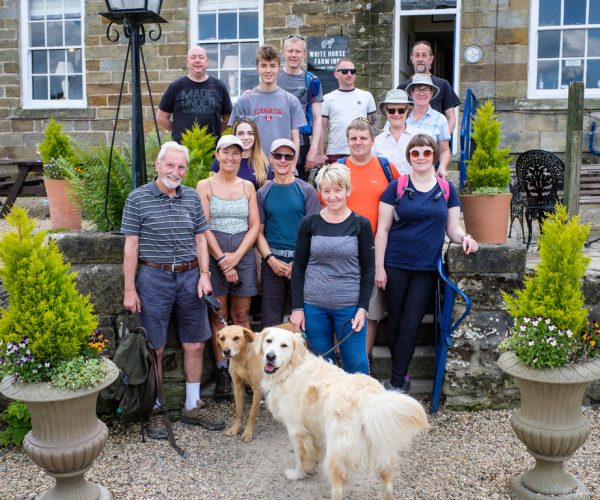
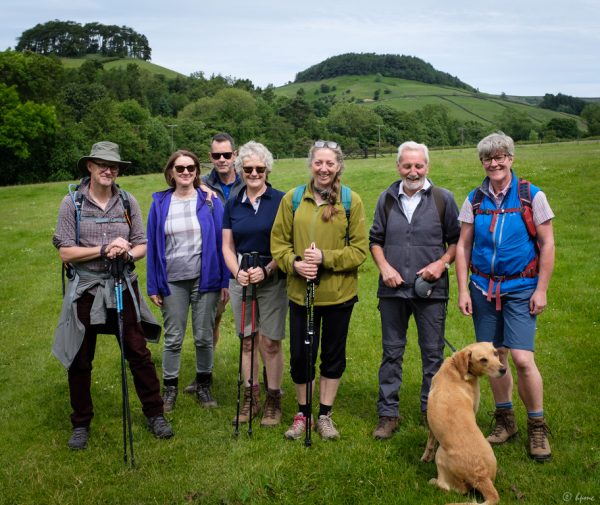
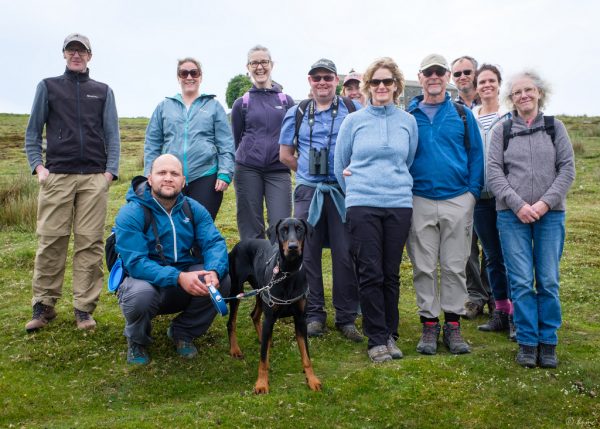
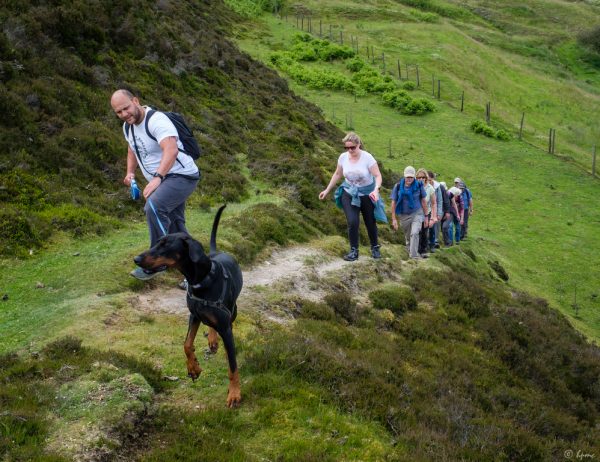
The Walking Festival was blessed with warm weather with a good turnout of a mixture of regulars and many first time visitors.
The proposed road closure at Hartoft Bridge on 24 June will now not go ahead according to NYCC Highways. Instead, further discussions will interested parties will now continue with a view to doing the work later in the year – more information will be posted when known.